Somewhere on your project there is a ladder that nobody priced.
Maybe it is a roof access ladder, maybe it is the elevator pit ladder, maybe it is a run of loose lintels over the masonry openings. It sat in the drawings the whole time, in the seam between two specification sections, and both the structural steel bidder and the misc metals bidder assumed it belonged to the other guy. You will find out which item it is when a superintendent asks where it is.
We fabricate both structural steel and miscellaneous metals at our Burnaby shop, which means we have spent almost two decades watching where the seam between the two packages runs, and what falls through it on Metro Vancouver projects. Here is how the split works and how to stop it from costing you.
Two scopes, one building
Structural steel is the frame. Beams, columns, bracing, moment and shear connections, everything that carries the building’s gravity loads and, in this seismic zone, its earthquake loads. It is designed by the engineer of record under the BC Building Code, and fabricating it requires a shop certified by the Canadian Welding Bureau to CSA W47.1.
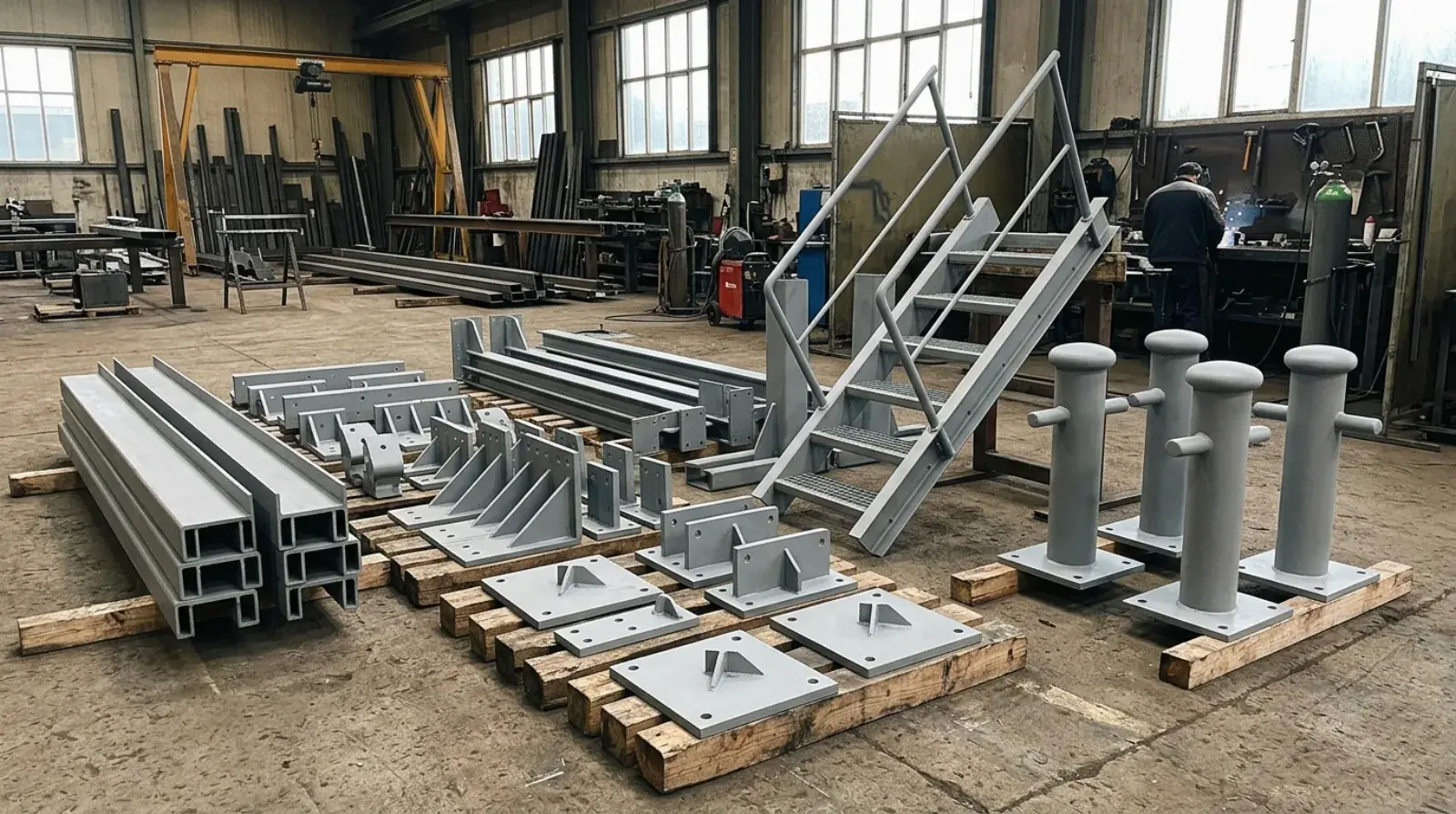
Miscellaneous metals is everything metal that is not the frame. Stairs and their railings. Ladders. Guards. Bollards. Loose lintels. Equipment support frames. Trench grating, shelf angles, gate hardware, elevator shaft steel and pit ladders, catwalks. The spec writers put these in their own division section, the estimators price them as their own package, and on many commercial projects a different fabricator wins each one.
The trouble is that buildings are not organized by spec section. A stair connects to the frame. A lintel bears on frame steel at one end and masonry at the other. An embed cast for a railing sits in the same pour as an embed cast for a brace. The two packages touch constantly, and every point where they touch is a place a gap can live. We covered what sits inside the structural package itself in what a structural steel package includes; this post is about the border.
The classic gap items
Ask anyone who has run steel packages for a while and the same list comes up, project after project.
Loose lintels. The single most reliable gap item in commercial construction. Frame-connected lintels usually land in structural. Loose lintels in masonry might be misc metals, might be in the masonry scope, might be nowhere. Every bidder has a defensible reason to exclude them.
Embeds. Plates cast into concrete, needed earliest of anything, and split by what they receive: frame connections point structural, railing and equipment connections point misc. When the embed list is divided between two fabricators, the concrete contractor coordinates two suppliers for one pour, and a missing embed is the most expensive kind of missing steel because the fix involves drilling into cured concrete under engineer supervision.
Ladders and cages. Roof access, elevator pit, mechanical rooms. Small, code-required, and invisible at tender.
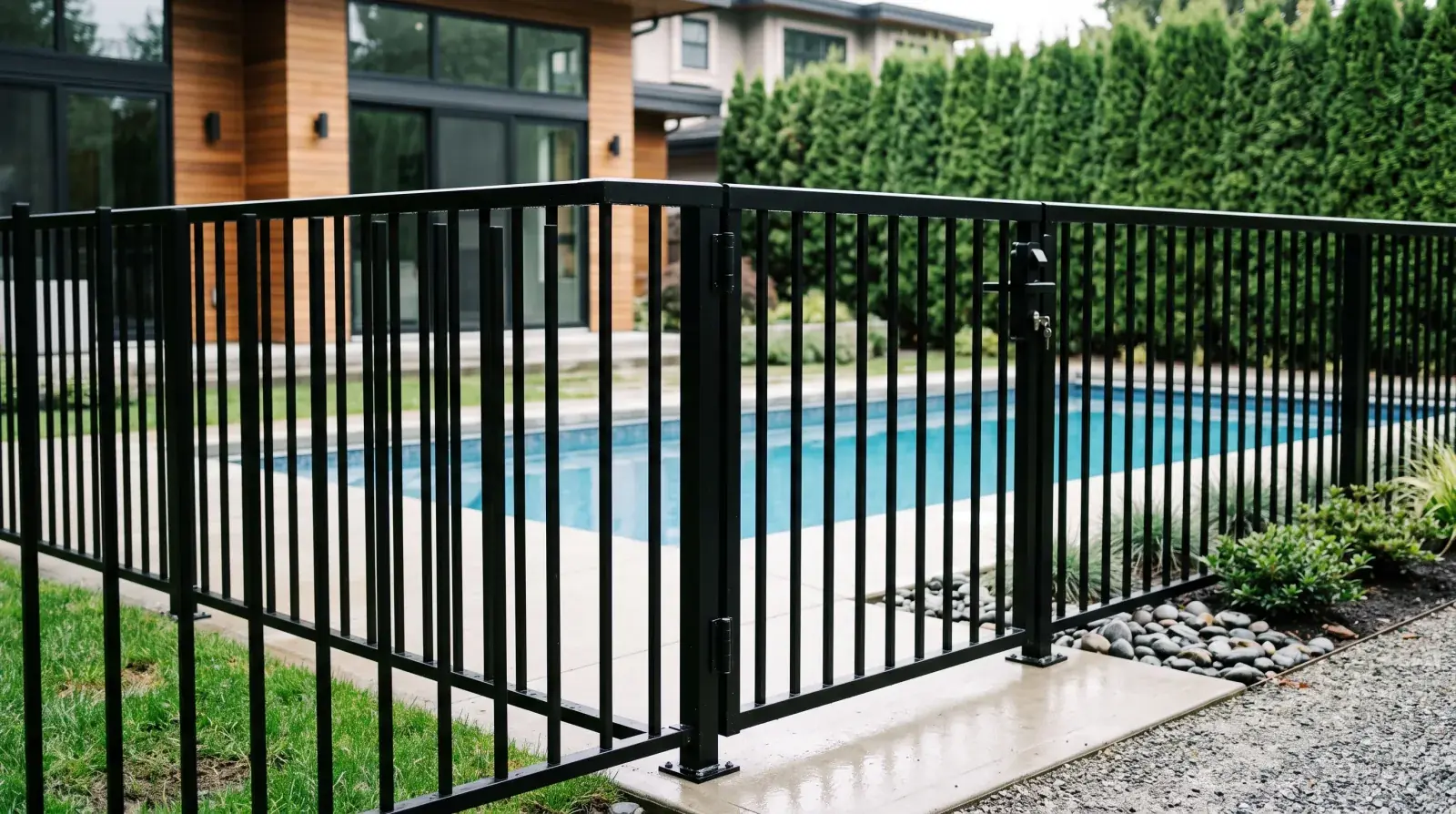
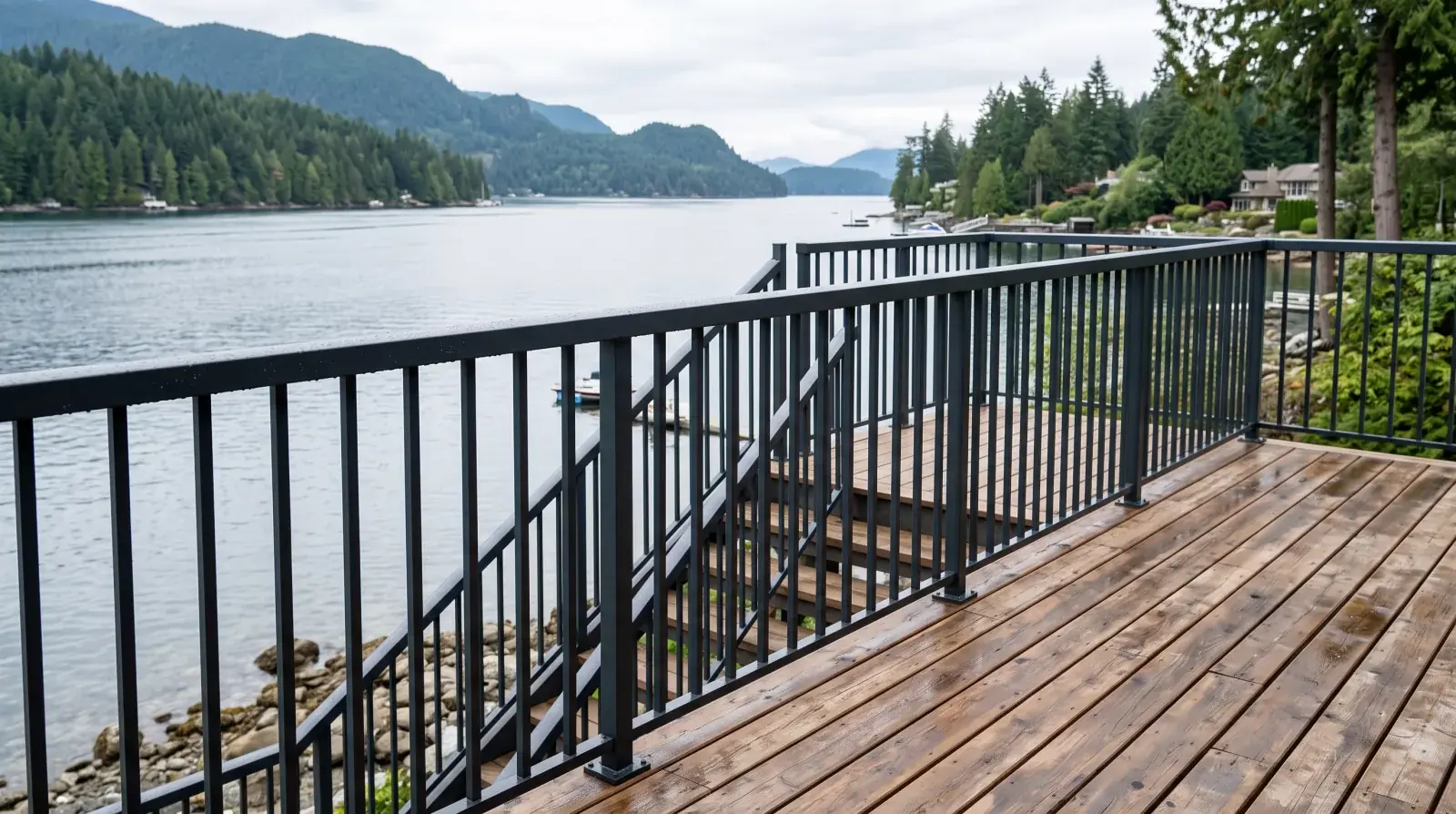
Guards and handrails. Interior stair guards land in misc, but guards around roof openings or on top of structural elements get argued about.
Bollards. Protecting gas meters, transformer pads, loading doors. Somebody has to supply and set them, and the civil, structural, and misc bidders each suspect it is one of the other two.
Equipment support frames. Rooftop unit frames, generator frames, tank supports. These sit dead on the boundary: they carry real load and get engineered, which sounds structural, but they support equipment rather than the building, which reads as misc.
Elevator and stair shaft steel. Divider beams, sill angles, hoist beams. Frequently referenced on the elevator supplier’s drawings rather than the structural set, which is exactly why steel bidders miss them.
What a gap actually costs
None of these items is expensive as fabricated steel. That is what makes the pattern so frustrating. The cost is never the item; it is the timing.
A gap surfaces when some other trade needs the missing piece: the mason is at the opening and there is no lintel, the roofer is flashing and there is no frame under the unit, the elevator inspector wants the pit ladder. Now the item has to be detailed, pushed through engineer review, fabricated, finished, and delivered on an emergency timeline, while the trade that needed it either waits or gets resequenced. The GC issues a change order with no competitive tension behind the price, because exactly one fabricator is positioned to do it fast.
Multiply by however many gap items your documents contain. On a mid-size commercial project that can be a dozen separate small emergencies, each one arriving at the worst possible moment for the trade it blocks. The pattern is well enough known that we treat boundary items as a named risk in our own tendering, which is why the steel package tender checklist makes bidders declare them line by line, and why how to read a structural steel quote tells you to read the exclusions section before the price.
One fabricator, both packages
There is a structural fix, and it is organizational rather than technical: stop having a seam. When one fabricator carries both the structural frame and the misc metals, no item can fall between two contracts, because there is only one contract.
The practical benefits stack up beyond gap elimination. One submittal stream instead of two, so the engineer of record and the GC’s document control deal with one detailer who sees the whole steel picture. One embed package, coordinated internally and delivered to the concrete contractor as a single scope. One delivery pipeline, so a misc load can ride a structural truck when sequencing allows. And one phone number when a question comes up, with no possibility of two fabricators pointing at each other.
The honest caveat: this only works if the shop genuinely does both kinds of work. Structural frames demand CWB certification, tonnage capacity, and erection coordination. Misc metals demand finish quality, small-batch flexibility, and the patience for hundred-item scopes where every item is different. Shops tend to be built for one or the other. Ours does both from the same Burnaby floor, structural packages for projects across Vancouver, Coquitlam, and New Westminster alongside the stairs, guards, ladders, and frames that finish those same buildings, and carrying the two scopes together is a deliberate part of how we quote commercial work.
Whether you award one package or two, the gap list in this post is worth thirty minutes at tender. Put the boundary items in front of every bidder and make them answer. Our guide to structural steel for general contractors includes scope definition alongside the rest of the package process, and if you want a single price that covers the frame and everything bolted to it, send us your drawings and ask for both scopes in one number.